







Search Results for: Mandheling Grading

A Complete Guide to Indonesian Sumatra Mandheling Coffee: Golden Mandheling Grading Standards, Variety Characteristics, and Authentic Selection Tips
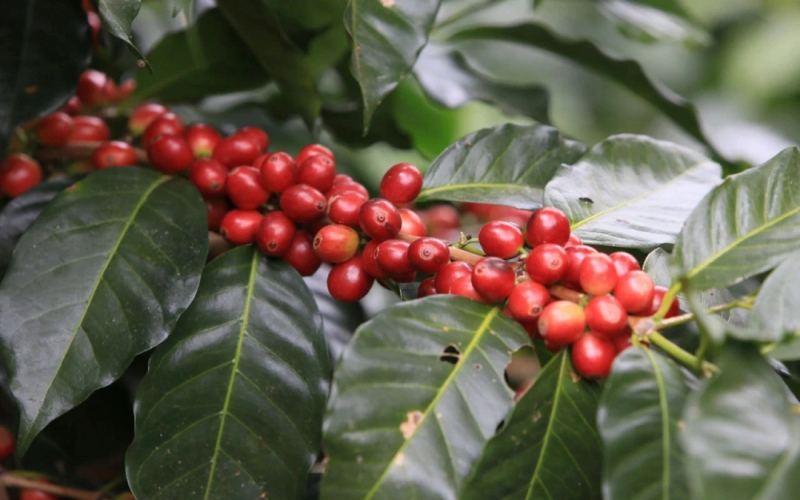
Golden Mandheling has continued to rise in popularity within the international specialty coffee scene in recent years, and many coffee enthusiasts are curious about its grading system and the origins of its flavor. At Front Street Coffee shops, customers often notice that Front Street's Golden Mandheling beans are large, have a high proportion of horse-hoof beans, and are neatly uniform in appearance, forming a sharp contrast with many similar products on the market that contain more defects. This article will begin with the growing conditions of Indonesia's Sumatra producing region, sort out Mandheling's wet-hulling process and grading system, focus on analyzing the four rounds of manual sorting in PWN's Golden Mandheling process and its Catimor variety background, and compile three practical selection tips to help coffee fans avoid common traps such as Robusta being passed off as Mandheling and vague labeling of names. [more…]
An Analysis of the Indonesian Mandheling Coffee Grading System: From Variety Origins to the Triple Hand-Sorting Standard of Golden Mandheling
Indonesia's coffee cultivation history can be traced back to the 17th-century Dutch colonial period, and today Indonesian coffee occupies an important place in the global specialty market. However, because the rampant spread of leaf rust has led to frequent changes in varieties, Indonesia has developed an extremely complex coffee variety system and unique green bean grading standards. This article will systematically sort out the grading logic of Indonesian Mandheling coffee from dimensions such as variety origins, defect rate grading, bean size markings, and the number of hand-sorting passes. Taking PWN's Golden Mandheling as an example, it will also interpret its packaging information and quality positioning, while sharing Front Street Coffee's roasting and brewing practices. [more…]
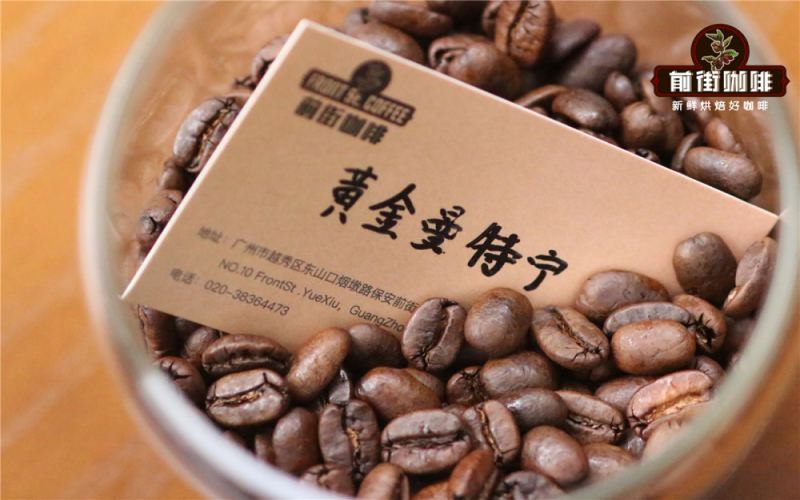
An Analysis of the Mandheling Coffee Bean Grading System: The Differences Between PWN Golden Mandheling and G1 Grade
Mandheling coffee is deeply favored by enthusiasts for its rich and full-bodied taste, but do you know the grading standards for Indonesian coffee beans? What exactly are the differences between PWN Golden Mandheling and regular G1 Mandheling? This article will provide a detailed introduction to the grading system for Indonesian green coffee beans, analyzing the grade standards from G1 to G6 based on defect rates, screen sizes, and other dimensions, and will delve into how PWN company creates its uniquely distinctive Golden Mandheling through strict screening processes. At the same time, Front Street Coffee will share brewing suggestions for Golden Mandheling to help you better savor this high-quality coffee with regional character. [more…]
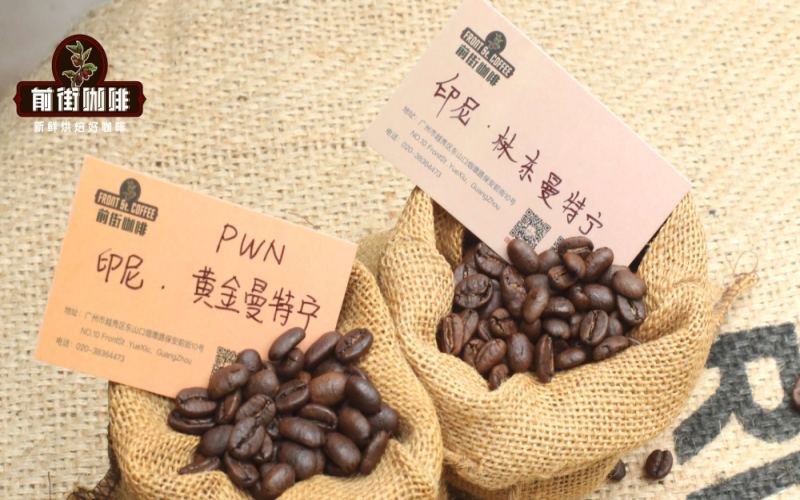
Indonesian Mandheling Coffee Full Analysis: From Lintong to PWN Golden Mandheling—Regional Flavors and Grading System
In the Asian coffee landscape, Indonesia is a core producing region that cannot be overlooked. Front Street Lintong Mandheling and Front Street PWN Golden Mandheling, as representative works from this region, each showcase different facets of Mandheling coffee. This article will delve into the growing environment of Sumatra, analyzing how the region's unique wet-hulling process shapes a flavor foundation interwoven with herbal and earthy notes. At the same time, it will outline the specific standards by which Indonesian coffee beans are graded according to defect count, and reveal the multiple sorting steps that allow PWN Golden Mandheling to present a clean, sweet taste. Whether you are encountering Asian beans for the first time or hoping to refine your tasting knowledge, this guide will provide clear and practical reference. [more…]
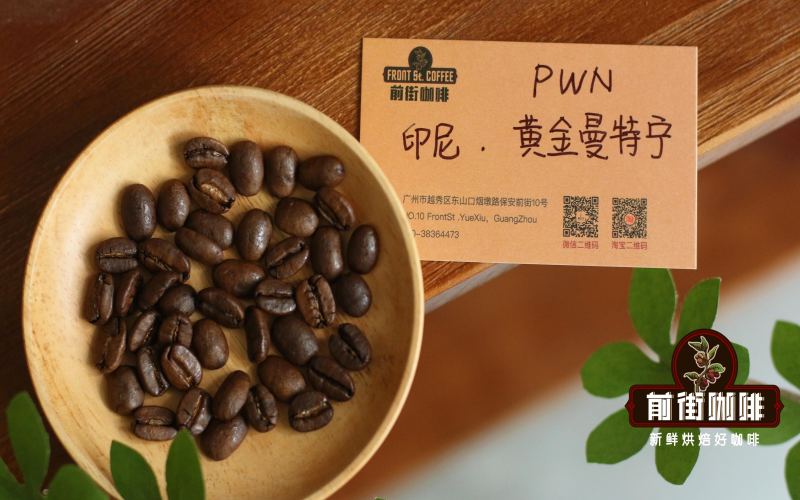
A Detailed Explanation of the Indonesian Golden Mandheling Grading System: G1 Standards, PWN Four-Time Hand Sorting, and a Guide to Avoiding Pitfalls When Buying
Mandheling is the calling card of Indonesian coffee, and Golden Mandheling is its premium representative. However, with the market flooded by a chaotic mix of Mandheling products, distinguishing the authentic from the fake and understanding the grading logic has become a source of confusion for many coffee enthusiasts. Starting from the regional characteristics of Front Street Coffee's Golden Mandheling, this article sorts through Indonesia's G1 grading system, which classifies beans by defect count, analyzes the rigorous four-round manual sorting standards of the PWN company, and introduces the reasoning behind its shift from Typica to Catimor varieties. At the same time, the article compiles three key pitfalls to avoid when buying Mandheling, helping readers make more rational judgments amid a dazzling array of products. [more…]
A Comprehensive Analysis of the Grading Systems and Flavor Profile Differences Between Mandheling and Geisha Coffee Beans
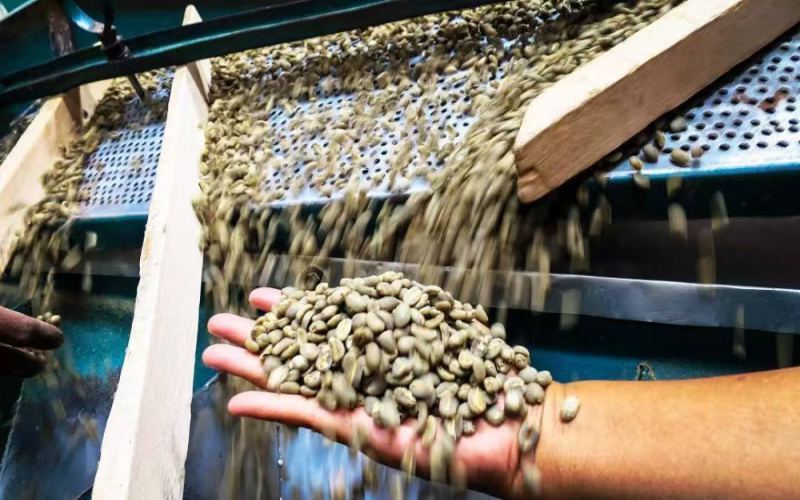
Those new to specialty coffee are often confused by labels such as G1 and AA on the packaging. These letters and numbers actually represent the grading systems for coffee beans from different origins. Some countries grade by bean size, others by the proportion of defective beans, and still others by growing altitude. Take Mandheling as an example: Indonesia uses the wet-hulling process and grades beans from G1 to G6 based on the number of defects in 300 grams of green coffee. Geisha coffee, by contrast, is famous for Hacienda La Esmeralda's red, green, and blue label system. This article will systematically sort through these grading systems while taking a deeper look at the core differences in flavor and mouthfeel between Mandheling and Geisha, helping coffee lovers understand the logic of quality evaluation in specialty coffee more clearly. [more…]
A Detailed Guide to Mandheling Coffee Bean Grading Standards: From Defect Bean Classification to Specialty Golden Mandheling Flavor and Pour-Over Techniques
Mandheling coffee has always been renowned for its mellow richness, but do you know how its grades are actually classified? The grading of Indonesian Mandheling is mainly based on the number of defective beans, supplemented by bean size. From the perspective of Front Street Coffee, this article systematically sorts out nine common types of defective beans, explains Indonesia's G1 grading standard in detail, and takes an in-depth look at why the Golden Mandheling produced by PWN is regarded as the cream of the crop. In addition, we will also share Front Street Coffee baristas' complete pour-over recipe for dark-roasted Mandheling, including dripper selection, grind size, water temperature, and the three-pour technique, to help you brew a clean, sweet, rich, and full-bodied Golden Mandheling at home. [more…]
Does Mandheling Refer to a Region or a Variety? Front Street Explains the Grading and Flavor Characteristics of Golden Mandheling in Detail
Many coffee enthusiasts encounter a common question when they first come across Mandheling: is Mandheling a coffee origin or a coffee variety? Using Indonesian Golden Mandheling as an example, Front Street Coffee starts from the geographical and climatic conditions of the Sumatra producing region, traces the origins of the local wet-hulling process, and offers a detailed explanation of Indonesia's coffee grading system based on the number of defective beans. The article will also take an in-depth look at PWN's four rounds of manual sorting for Golden Mandheling, the background behind the introduction of the Catimor variety and its flavor changes, and finally include Front Street's practical tips for choosing authentic Mandheling, helping coffee fans avoid inferior products on the market that are passed off as Robusta or labeled with the word "flavor." [more…]
Indonesian Mandheling G1 Grade Meaning and Full Analysis of Origin and Variety: From Grading System to Front Street Coffee Roasting and Brewing Practices
Indonesia is one of Asia's most important coffee-producing countries, yet its coffee variety system and green bean grading standards often leave enthusiasts confused. From the perspective of Front Street Coffee, this article systematically sorts out the historical causes behind the complexity of Indonesian coffee varieties, explains in detail the G1 to G6 grading logic based primarily on defect rate and secondarily on bean size, and extends to the impact of the number of hand-sorting rounds on quality. Using PWN Golden Mandheling as an example, the article interprets each item of information on the packaging label, and also shares Front Street Coffee's roasting curve and KONO dripper brewing parameters, helping readers gain a comprehensive understanding of Mandheling coffee from its place of origin to the cup. [more…]
Indonesian Mandheling Coffee Grading Standards and Price Analysis: Sumatra Golden Mandheling Flavor and Pour-Over Parameters
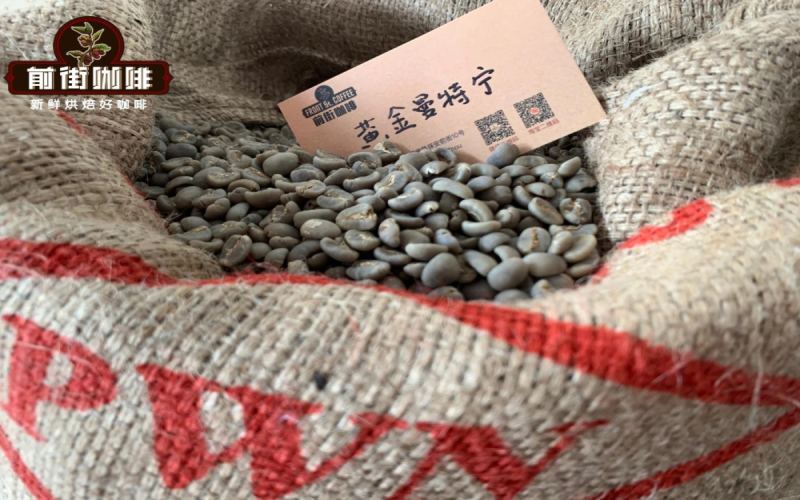
The quality of specialty coffee beans is often reflected through strict grading, with higher grades commanding higher prices. Indonesian Mandheling is a representative coffee known for its low acidity and full body, and the Golden Mandheling produced by PWN is especially highly regarded. This article begins with Front Street Sumatra Mandheling coffee and provides a detailed introduction to the grading system for Indonesian green coffee beans, how to identify Golden Mandheling and its quality characteristics, and also shares Front Street baristas' brewing approach and specific pour-over parameters, helping coffee lovers recreate a café-level full-bodied flavor at home. [more…]
Indonesian Mandheling Coffee Bean Grading Standards and Flavor Characteristics: From Wet-Hulling Processing to Cupping Performance
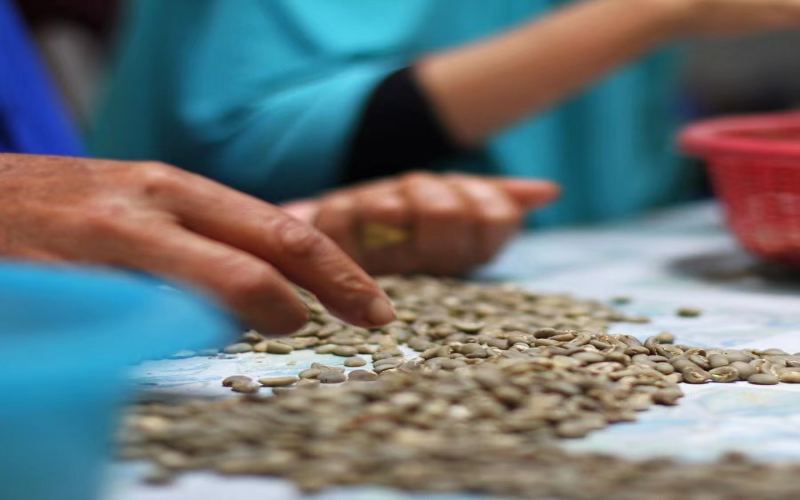
Indonesian Mandheling coffee beans are deeply favored by coffee lovers for their rich body and distinctive regional flavor. This article will start with Indonesia's coffee grading system to analyze Mandheling's status as Arabica, the impact of wet-hulling on quality, and the specific classification criteria for the G1 grade. At the same time, Front Street Coffee will share the cupping flavors, roasting approach, and brewing parameters of Golden Mandheling, helping readers gain a comprehensive understanding of this classic coffee bean from green bean to cup. [more…]
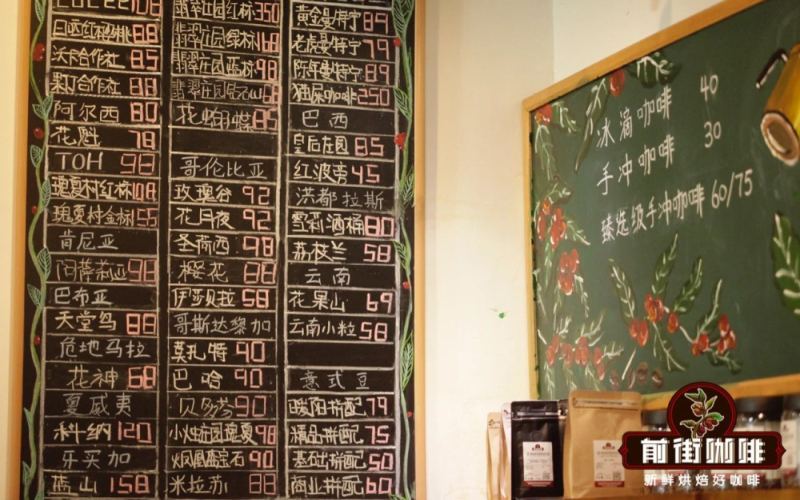
A Complete Guide to Coffee Bean Naming: From Origins and Competition Titles to Processing Methods and Grading Standards
Faced with the dense bean list at Front Street Coffee, many coffee lovers wonder: why can coffee bean names be so long? In fact, behind every string of names lie clues about origin, variety, processing method, or brand positioning. This article systematically sorts out the common logic behind coffee bean naming, including naming by production region or producer, naming by raw bean competition award titles, naming by estate-exclusive products, and the origin of the special name Mandheling. Finally, it also explains the meanings of grading labels such as G1, AA, and SHB, helping you more easily understand the information on coffee bean packaging. [more…]
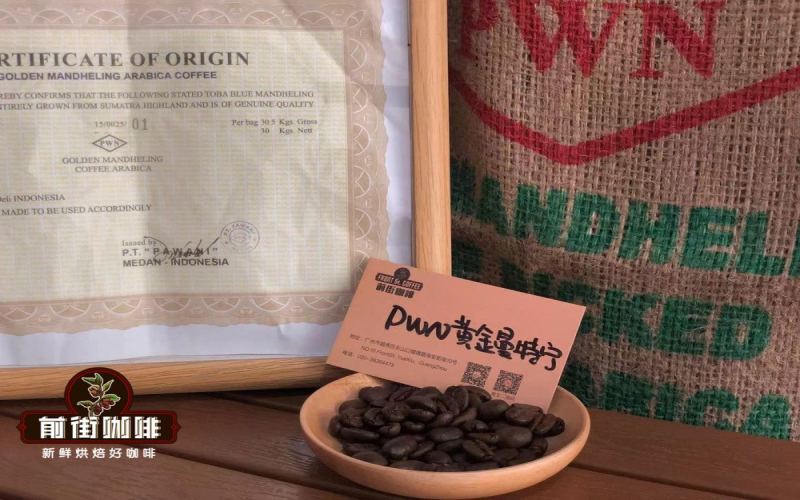
A Detailed Guide to Indonesian Arabica Coffee Bean Grading: G1 and G2 Standards and a Full Analysis of the Mandheling Region
Indonesia is a major coffee-producing country globally, and both Mandheling and Kopi Luwak originate from there. This article systematically reviews the grading system for Indonesian Arabica coffee beans, with a focus on interpreting the criteria for G1 and G2. It also revisits the history of coffee cultivation in Indonesia, the distribution of major producing regions, and the unique wet-hulling process used for Mandheling. The article further introduces the flavor profiles and brewing suggestions for two Indonesian beans from Front Street Coffee, providing coffee enthusiasts with a complete understanding from green bean grading to flavors in the cup. [more…]
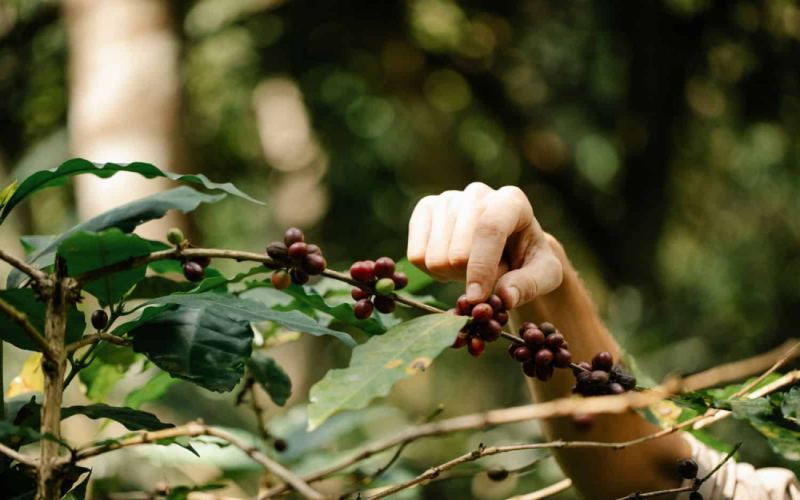
A Complete Guide to Indonesian Mandheling Coffee Beans: Grading, Flavor Characteristics, and Pour-Over Methods
Mandheling is one of Indonesia's most representative specialty coffees, known for its low acidity, high body, and distinctive herbal and spice notes. Sumatra's complex geography and the rare wet-hulling process together shape its rich and deep flavor. This article will cover producing regions, grading systems, processing methods, and brewing parameters to provide a comprehensive introduction to the grade characteristics and taste profile of Indonesian Mandheling coffee beans, and share the pour-over recipe recommended by Front Street Coffee, helping coffee lovers better understand this bean's complete journey from green bean to cup. [more…]
An Analysis of the Indonesian Coffee Green Bean Grading System: The Characteristics of the Wet-Hulling Process for Mandheling and Key Points for Identifying Golden Mandheling
Mandheling is the most representative variety of Indonesian coffee, and Golden Mandheling is highly sought after for its full-bodied taste and piney spice flavors, with a price noticeably higher than ordinary Mandheling. This article starts with Indonesia's green bean grading standards, analyzes the unique process of wet-hulling, explains in detail the quality control behind the G1 grade and triple hand sorting, and clarifies PWN's exclusive ownership of the Golden Mandheling trademark. At the same time, Front Street Coffee uses PWN Golden Mandheling as an example to share the cup profile under a deep roast, helping readers fully understand the value of this bean. [more…]
Sumatra Mandheling Coffee Full Analysis: Wet-Hulled Processing, Grading Standards, and Pour-Over Chocolate Flavor Techniques
Indonesia, as a major coffee-producing country, is known in the specialty coffee world for the Mandheling coffee from its Sumatra region, celebrated for its mellow aroma, low acidity, and rich, full-bodied style. This article begins with the distribution of Indonesian coffee regions, then provides an in-depth analysis of the four major coffee types of Sumatra, explains in detail how the wet-hulling process of Lintong Mandheling shapes its distinctive herbal spice and driftwood flavors, and introduces Indonesia's coffee grading system. At the same time, Front Street Coffee will share how to use the Kono dripper and a three-stage pouring method to highlight Mandheling's caramel sweetness and chocolate notes in pour-over brewing while avoiding unpleasant bitterness, allowing coffee enthusiasts to gain a comprehensive understanding of the appeal of this "famous" coffee. [more…]
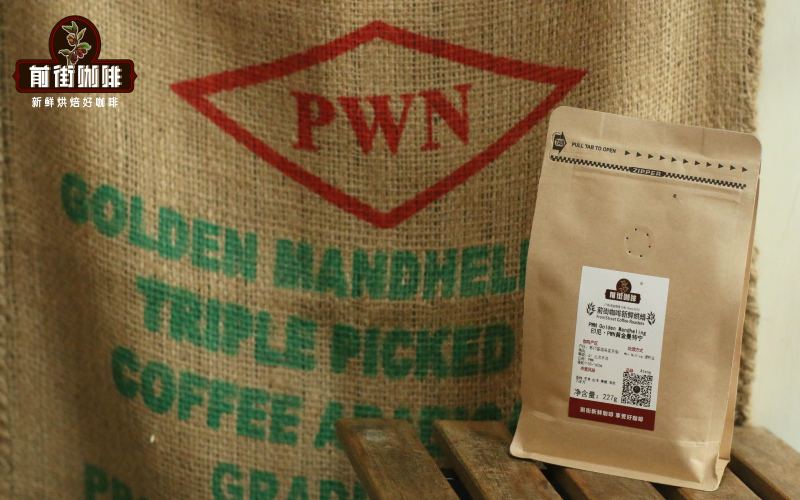
A Complete Guide to Indonesian Coffee Grading: Does Sumatra Golden Mandheling Really Belong to G1?
Indonesia is the world's largest archipelagic nation, and Sumatra, its largest island, produces Mandheling coffee, which occupies an important place in the global coffee landscape. But how does Golden Mandheling, the exclusive signature product of Indonesia's PWN company, differ from ordinary Mandheling? What standards are used to classify Indonesian green beans from G1 to G6? This article will systematically sort through Indonesia's coffee grading system, the varietal origins of Mandheling, the history of the wet-hulled process, and the brewing parameters and flavor performance of Front Street Coffee's Golden Mandheling, giving you a complete understanding of the story behind this coffee bean that is "the ugliest yet the best-tasting." [more…]
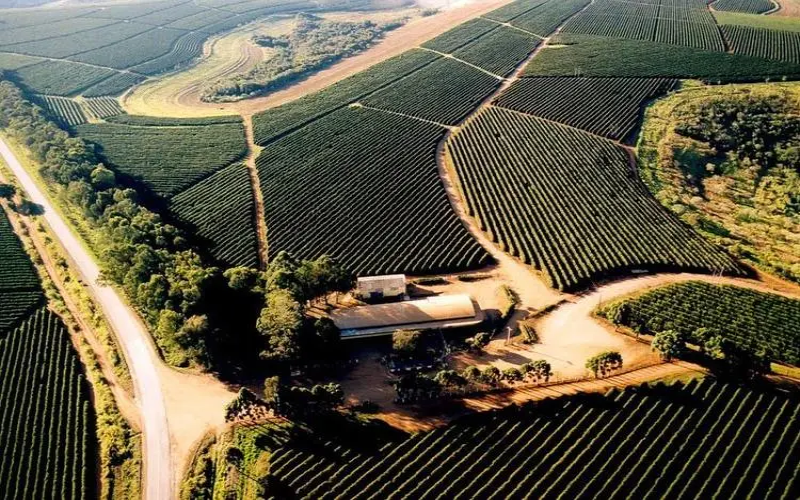
Mandheling, Brazil, and Colombia Coffee Beans: A Comprehensive Analysis of Origin Background, Variety Flavors, and Grading Systems
In the world of coffee, the three major producing regions of Mandheling, Brazil, and Colombia each have their own characteristics, with significant differences ranging from their origins and varieties to their flavor profiles, grading standards, and brewing performance. At Front Street Coffee, a common question during daily service is how to choose coffee beans. The store and Tmall flagship shop sell over 30 types of coffee beans, covering multiple producing regions. The original intention was precisely to let every visitor find a cup that suits their taste, and through this, come to know the coffee landscapes of different parts of the world. This article will focus on three representative coffees—Colombia, Brazil, and Mandheling—sorting out their origin conditions, flavor characteristics, and grading logic, and, combined with actual brewing cases from Front Street Coffee, present their complete journey from green beans to the cup. [more…]
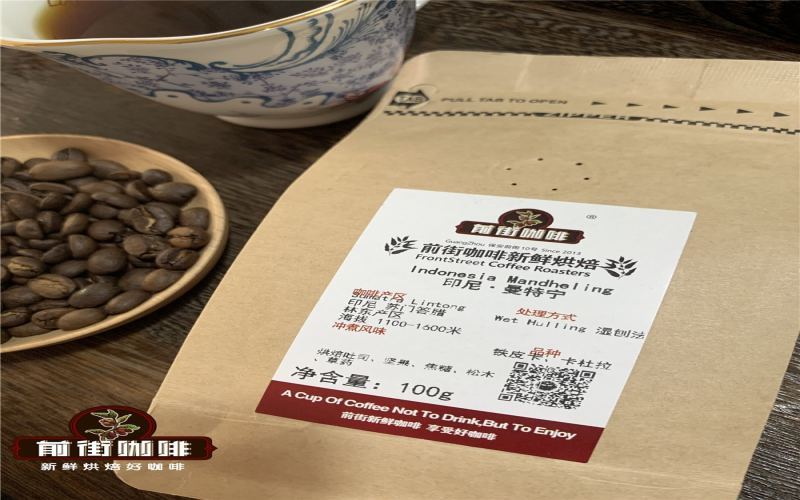
Analysis of Mandheling Wet-Hulled Flavor: Processing Flow, Differences from Wet-Processing, and Indonesian Coffee Grading
Mandheling coffee is well known for its herbal aroma, full body, and smoky notes, and the root of this distinctive flavor lies in the wet-hulling method used locally in Indonesia. What exactly makes wet-hulling so special? How does it differ from the conventional washed process? Why did Indonesia develop this processing method? This article will walk through the complete wet-hulling process, analyze the causes of Mandheling's signature flavor, and explain the grading system for Indonesian green coffee beans. At the same time, it retains information on two Mandheling products regularly sold by Front Street Coffee, including a daily-drinker bean from the Lintong region and PWN Golden Mandheling from the Aceh region, for coffee lovers' reference. [more…]
Analyzing the Differences Between Indonesian Golden Mandheling and Regular Mandheling: A Comprehensive Introduction to PWN Selected Coffee Beans
Indonesia's coffee variety system is intricate for historical reasons, and its green bean grading standards are also uniquely distinctive. From the perspective of Front Street Coffee, this article sorts out the evolutionary thread of Indonesian coffee varieties, analyzes its grading logic such as defect rate, bean size, and number of hand-sorting passes, and focuses on comparing the differences between PWN Golden Mandheling and ordinary Mandheling, covering origin, variety, packaging information, roasting curve, and brewing parameters, to help coffee enthusiasts gain a comprehensive understanding of this mellow, clean Indonesian specialty coffee. [more…]